
 ARGO AI
Find Your Ideal Job 3x faster
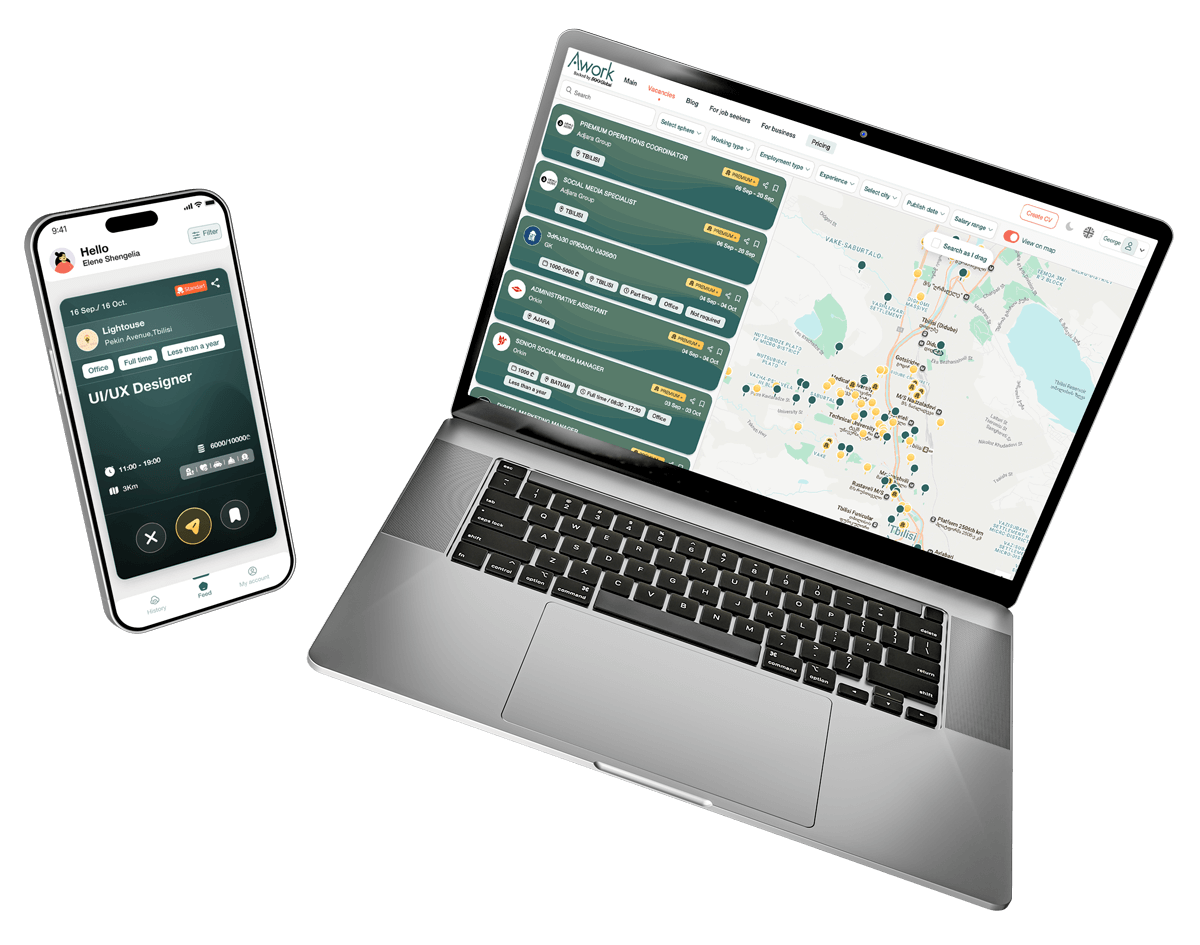
An AI-powered platform automatically matches you with perfect job openings based on your skills and interests.
How it works
1
Create
Profile
Create your profile to get matched with the right opportunities

2
AI
Finds
Our algorithm finds the perfect employer for you
3
Use Autopilot
To Send CV
Automatically apply for your ideal positions and save your time and energy.


Popular Categories
🍽️
Horeca
Waiter/Waitress, Bartender, Chef/Cook
350+ Vacancies
🏪
Sales
Sales Manager, Sales Consultant / Sales Associate
180+ Vacancies
💼
Administration
Receptionist, Administrator, Office Manager
120+ Vacancies
👀
Services
Technical Support Staff/Maintenance Staff, Driver
90+ Vacancies
🏥
Healthcare
Nurse, Doctor/Physician
75+ Vacancies
🎓
Education
Teacher, Tutor
65+ Vacancies
F.A.Q.
A good CV is a concise, well-structured, and easily scannable document that instantly communicates your professional value. Essential sections include: Contact Information (email, phone, LinkedIn), Professional Summary (3–4 sentences highlighting your experience and career goals), Work Experience (focusing on achievements and results), Education, Hard and Soft Skills, Language Proficiency, and, if applicable, Certifications or a Portfolio link.
- Contact Information (email, phone, LinkedIn)
- Professional Summary (3-4 sentences highlighting your experience and career goals)
- Work Experience (focusing on achievements and results)
- Education
- Hard and Soft Skills
- Language Proficiency
- if applicable, Certifications or a Portfolio link
Note: On average, hiring managers spend only 6-10 seconds reviewing a CV, so the most impactful information must be visible within the first glance.
The answer depends on regional and industry standards. In Georgia, adding a photo remains a common practice; however, an increasing number of companies no longer require it to ensure an unbiased selection process. If you decide to include a photo, choose a professional, high-quality headshot taken within the last 1–2 years against a neutral background, wearing business or smart-casual attire. Avoid selfies, Instagram filters, or cropped group photos. For tech-focused or multinational corporations, a photo-less CV is often preferred.
Securing a job quickly relies on three main pillars: tailored applications, speed, and volume. The more tailored your CV and cover letter are to a specific vacancy, the higher your chances of booking an interview. Statistics show that it typically takes 10–15 high-quality applications to secure just one interview. This is exactly why Awork's Job Autopilot feature was created. The AI automatically scans for relevant openings and submits applications on your behalf 24/7 until you get your desired results.
There are several core platforms for job hunting in Georgia. Awork.ge stands out due to its innovative AI assistant, which simplifies the entire process—from building an automated CV to leveraging Job Autopilot for hands-free submissions. LinkedIn is highly effective for multinational companies and management roles. Additionally, professional social media groups often host unadvertised vacancies. By using Awork and its AI tools, your application can seamlessly reach matching vacancies published across Georgia.
Landing a job without experience is entirely possible with the right strategy. In your CV, shift the focus toward university projects (especially team-based ones), internships, volunteer work, online course certifications, and personal projects (such as coding repositories, a portfolio, or a professional blog). Target entry-level roles where companies provide on-the-job training. Demonstrating a strong willingness to learn is crucial; a comprehensive corporate training program is often worth more than two years of static experience in a rapidly evolving field.
According to recent workforce studies, modern employers highly prize specific dual-track competencies:
- Technical Skills - Proficiency with AI/ML tools, data analysis, and overall digital literacy.
- Soft Skills - Adaptability (crucial as technology shifts rapidly), critical and creative thinking, complex problem-solving, and strong team communication.
- The "T-Shaped" Profile - Deep expertise in one core domain paired with a broad understanding of adjacent fields is highly valued.
Effective interview preparation consists of three primary steps:
- Company Research: Explore the company's website, LinkedIn page, recent news, and online reviews. Craft a compelling answer to the question: "Why do you want to work for this specific company?".
- Job Alignment: Carefully re-read the vacancy requirements and map out concrete examples from your past where you demonstrated those exact skills.
- Practice: Rehearse your delivery to build confidence and ensure a structured flow.
- Carefully read the job requirements and prepare specific examples from your experience that meet these requirements.
The most common interview questions fall into four categories
- Personal Questions: "Tell me about yourself" — answer this using the Past-Present-Future framework. "What are your strengths and weaknesses?" — always conclude your weakness by explaining how you are actively working to improve it.
- Situational Questions: "Describe a challenging situation and how you resolved it".
- Motivation Questions: "Why us?" — this is where your company research shines.
- Competency Questions: Specific technical questions designed to verify your core expertise.
Practically every candidate experiences nerves before an interview; the key is managing it effectively. Mock Interviews: Practice your answers aloud independently or ask someone to run through a mock session with you. Recording yourself on video can also highlight areas for improvement. The First Impression: The most stressful moments are usually the first few minutes. Prepare extensively for the typical icebreaker: "Tell me about yourself." Thorough preparation is the best remedy for anxiety, as nervousness is most frequently a symptom of feeling unprepared.
Successful career planning begins with clearly defining your personal interests, core values, and professional strengths. Establish clear short-term goals (1 year) and long-term milestones (3–5 years). Build a practical roadmap to achieve them and review it regularly to ensure your day-to-day growth aligns with your ultimate career trajectory.